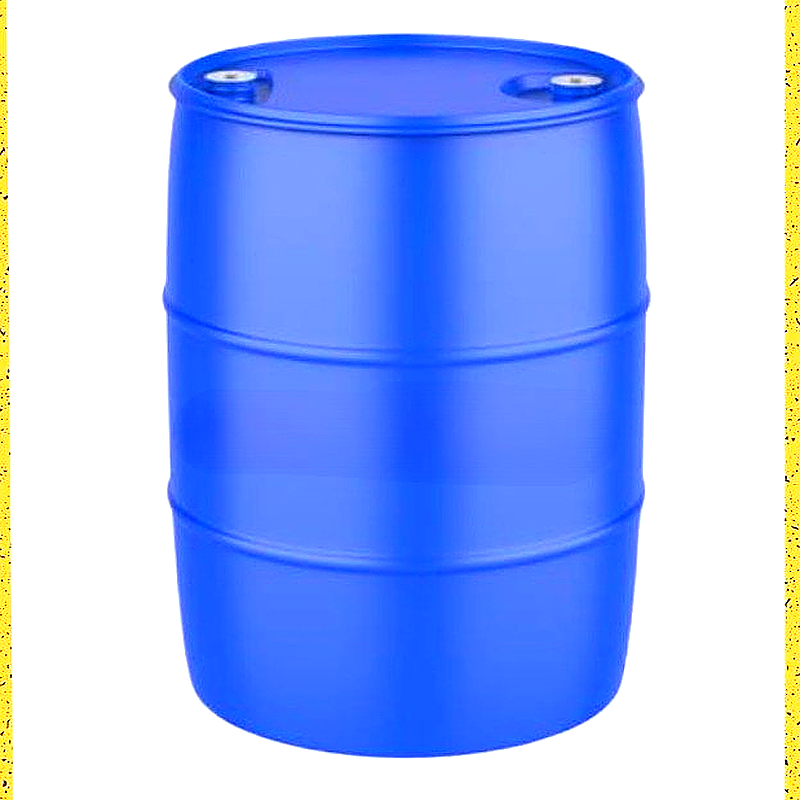
What is Formic Acid?
Formic Acid is the simplest carboxylic acid, a colourless liquid with a sharp, penetrating odour, commercially supplied at standard industrial concentrations of 85% or 94%. It is widely valued across the leather, textile, agricultural, and rubber processing industries for its strong acidic and preservative properties, as well as serving as an important chemical intermediate in various industrial synthesis applications.
Polychem Industries supplies Formic Acid in industrial grade (85% and 94%) to leather tanning companies, textile dyeing operations, animal feed and silage preservation companies, and rubber processing manufacturers across India and internationally. Its strong acidity combined with effective antimicrobial properties makes it a valuable specialty industrial chemical across multiple distinct sectors.
Corrosive Material Notice
Formic Acid is a corrosive, combustible liquid with a strong, penetrating odour that can cause severe skin and eye burns on contact with concentrated solutions. Handle only with appropriate PPE including chemical-resistant gloves, eye protection, and adequate ventilation. Full MSDS documentation should be reviewed before handling.
Available Grades
| Grade | Form | Purity | Standard | Applications |
|---|---|---|---|---|
| Industrial Grade 85% | Colourless liquid | 85% / 94% w/w (standard industrial concentrations) | Industrial | Leather tanning, textile dyeing, rubber processing, silage preservation |
| Industrial Grade 94% | Colourless liquid | 94%+ | Industrial | High-concentration applications, chemical synthesis |
Applications & Uses
Leather Tanning & Processing
One of the most significant industrial applications. Formic Acid is used extensively in leather tanning and processing, particularly in the pickling stage where it helps adjust pH and prepare hides for the tanning process, and in dyeing operations to fix dyes to the leather.
Textile Dyeing
Used as a pH adjusting agent in textile dyeing processes, particularly for wool and certain synthetic fibre dyeing operations, helping achieve the optimal acidic conditions required for specific dye classes.
Silage Preservation
Widely used as a silage additive in animal feed production, where its strong acidifying and antimicrobial properties help control unwanted fermentation and spoilage organisms, preserving the nutritional quality of stored animal feed.
Rubber Processing
Used as a coagulating agent in natural rubber latex processing, helping coagulate rubber particles from latex during the production of raw rubber from harvested latex.
Chemical Synthesis
Used as a chemical intermediate and reducing agent in various industrial chemical synthesis processes, including the production of certain ester compounds and other downstream chemical products.
Industrial Cleaning & Descaling
Used in certain industrial cleaning and descaling formulations requiring its specific acidic properties for removing mineral deposits and certain types of industrial residue.
Technical Specifications
Formic Acid — Key Properties
Why Source Formic Acid from Polychem Industries?
- Industrial Grade available at 85% and 94% concentrations
- Certificate of Analysis and MSDS provided on request
- Effective preservative and acidifying performance for silage and leather
- Reliable bulk supply for leather, textile and rubber processing industries
- Competitive pricing with consistent year-round availability
- Export documentation experience for international shipments